
Someone has just pointed a finger and said they saw you, or someone you love, commit a murder in Salinas. The police report treats that statement as hard evidence. The prosecutor sounds confident on the phone. Suddenly it feels like the whole case comes down to one person’s memory of a terrifying moment.
Families in this position often tell us it feels hopeless. A neighbor, a bystander, or even a friend is saying they are sure. Maybe there is no video. Maybe there are no fingerprints. The idea that a jury will hear a confident witness say “that is the person” can keep you up at night. Many people do not realize how fragile these identifications can be, especially in real-world situations like street shootings, bar fights, and drive-by incidents that Salinas courts see regularly.
At The Worthington Law Centre, we have spent decades defending people against serious felony charges in Salinas and across Monterey County. Our leading attorneys are certified in criminal law by the California State Bar, a credential few lawyers hold, and we have seen how often a case built on eyewitness testimony looks very different once the details are examined. In this article, we walk you through how eyewitness testimony really works in murder cases, why it often goes wrong, and how we challenge it in local courts.
Why Eyewitness Testimony Feels So Powerful In Salinas Murder Cases
Prosecutors often build early charging decisions around what witnesses say. In many Monterey County murder cases, the initial file is thin on physical evidence, but it includes a report that “Witness X identified the suspect from a photo lineup” or “Witness Y saw the shooter’s face.” That kind of language sounds decisive to families, and it can sound decisive to a jury if it goes unchallenged.
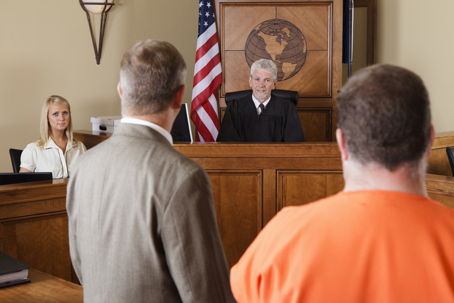
There is also a strong emotional impact when a witness looks across the courtroom and points at the accused. Jurors are human. They feel the weight of a person testifying under oath, especially if that witness appears frightened or is connected to the victim. Families on the defense side understandably hear that and think, “How can we fight this without looking like we are attacking the victim or the community?”
Our experience over 50 years of criminal defense work in Salinas shows that confident testimony can be built on a weak foundation. A witness may sound certain at trial, even if they were unsure or inconsistent at the beginning. Police reports sometimes gloss over those early doubts. Juries see the final, polished version, not the messy process that led there. One of our jobs is to bring that process out into the open so the jury can see how reliable, or unreliable, the identification really is.
We have defended many serious violent felonies where the case seemed “open and shut” based on an eyewitness, only to find that lighting, distance, stress, and flawed identification procedures told a very different story. Eyewitness testimony feels powerful because of how it is presented, not because it is always accurate. The rest of this article explains the real factors that determine how much weight that testimony should carry in a Salinas murder trial.
How Stress, Fear & Conditions Affect What Witnesses Think They Saw
Most murder cases involve chaos. Shots are fired, people run, screams fill the air, and everything happens in seconds. During an event like that, the human brain goes into survival mode. Adrenaline spikes, the heart races, and attention narrows to whatever seems most dangerous. That is how people stay alive in emergencies, but it is not how accurate memories are formed.
One well-known effect is often called weapon focus. When a gun or knife appears, most people’s eyes lock onto the weapon, not the person holding it. In a dark alley behind a Salinas bar or on a street corner in East Salinas, a witness may have had only a brief, partial view of the suspect’s face while their mind was fixed on the weapon and the direction of escape. Later, they may sincerely believe they got a clear look, because the brain fills in gaps to make sense of a frightening experience.
Conditions at the scene matter just as much. Distance, lighting, whether the suspect was moving or standing still, whether the witness was impaired by alcohol or drugs, and how long the entire event lasted all affect what can realistically be seen. A witness who ducks behind a car as shots are fired, then pops up and sees someone running, has a very different opportunity to observe than a person standing under bright lights only a few feet away. Yet both may testify with equal confidence if no one forces them to carefully walk through those details.
Memory does not freeze at the moment of the crime. It continues to change afterward. Conversations with friends, news reports, and repeated questioning can subtly reshape what a witness believes they saw. When someone is shown a photo, picks a face, and hears something that sounds like confirmation, their confidence can skyrocket, even if their original memory was weak. By the time a Monterey County jury hears them months later, they sound completely sure. Our work is to uncover how stress, fear, and conditions at the scene affected what they could truly perceive in those first few seconds.
Lineups, Showups & Photo Arrays: Where Misidentifications Start
Between the crime and the trial, there is a critical stage that many families never see clearly: the identification procedure. In California, police commonly use photo arrays, live lineups, and showups to ask a witness whether they recognize a suspect. Each method has rules and guidelines that are supposed to reduce the risk of misidentification, but in real cases, those rules are not always followed perfectly.
A photo array is a group of photos, often six, shown to a witness who is asked if they recognize the person they saw. A live lineup is similar, but with real people standing or sitting in a row. A showup is when officers present a single suspect, either in person or through a photo, and ask, “Is this the person?” Showups often occur quickly, near the scene, which is one reason they are especially risky. When these procedures are not conducted carefully, they can steer a witness toward the person police already suspect instead of testing the witness’s memory fairly.
Suggestive identification procedures are a major concern. Suggestion can be subtle. If the suspect’s photo is a different size or lighting than the others, if only one person in a lineup matches the general description the witness gave, or if officers make comments that nudge the witness toward a particular choice, that can send a powerful signal. Once a witness makes a choice and hears anything that sounds like confirmation, their memory often shifts to fit that choice, even if it was wrong.
California law gives defendants the opportunity to challenge identifications that grow out of unduly suggestive procedures. In plain terms, if the process was unfair and created a significant chance of a wrong identification, a judge can decide that the jury should not hear it. In Salinas and Monterey County, we routinely request all documents, lineup forms, and any available body camera footage to see exactly how the identification was done. If the procedure crossed the line, we can file motions asking the court to keep that flawed identification out of the trial.
This is where careful, experienced defense work matters. It is easy to read a report that says, “Witness identified suspect from a photo lineup” and assume everything was done correctly. Our job is to look behind that simple sentence, question each step, and show the court where the process may have gone wrong.
Common Red Flags In Eyewitness Testimony In Salinas Murder Trials
Once we see how a witness’s memory formed and how the identification procedure was handled, we look for specific warning signs that the testimony may not be reliable. Families often sense that something feels off about a witness’s story but may not know exactly why. Over years of defending murder cases in Monterey County, we have learned to watch for recurring patterns.
One major red flag is a story that changes over time. A witness who initially says they did not get a good look, or who gives a vague or conflicting description, but later claims to be absolutely certain in court, raises serious questions. Early 911 calls, patrol car recordings, and first interviews can be very revealing here. If a person originally said “I am not sure” or described someone of a different height, build, or clothing, that inconsistency can become a powerful tool for cross-examination.
Another issue is cross-racial identification. Research and experience both show that people are often less accurate when identifying someone of a different racial or ethnic background. This can be especially important in diverse communities like Salinas, where witnesses and defendants may come from different communities and cultures. When a cross-racial identification is made under poor conditions, we pay close attention to the details and look closely at whether additional safeguards, such as expert testimony, are appropriate.
Witness condition is also critical. Someone who had been drinking heavily at a bar on North Main Street, someone who was actively involved in a fight, or someone who ran for cover as shots rang out did not have the same opportunity to see as a calm observer a few feet away under good lighting. In some neighborhoods, fear of gangs or retaliation can affect what a witness is willing to say at first, and language barriers can lead to misunderstandings between Spanish-speaking witnesses and English-speaking officers. Our team, which includes multilingual staff, often digs into these issues by reviewing audio, interviewing witnesses carefully, and comparing their statements across time.
All of these red flags, taken together, help us assess how much weight a jury should give a particular witness. Even if none of them is enough by itself to throw out the identification entirely, they can significantly weaken the prosecution’s case when presented clearly and respectfully in court.
How We Challenge Eyewitnesses In Monterey County Murder Cases
Challenging eyewitness testimony is not about simply telling the jury, “This person is wrong.” It is a structured process that starts long before trial. In a Monterey County murder case, our first step is to gather every available record related to the witness. That includes police reports, lineup forms, body camera footage, 911 recordings, surveillance video, and any recorded interviews. We map out exactly when the witness first claimed to recognize anyone, what they said, and how their statements evolved over time.
Once we understand that timeline, we craft a cross-examination plan. In court, we ask specific, concrete questions about distance, lighting, duration, and distractions. We may walk the witness step by step through where they were standing, where the suspect was, and what they were doing at each moment. If early statements differ from later ones, we use those prior inconsistent statements to show the jury how the story changed. This is not about attacking the witness as a person. It is about giving the jury the full picture so they can decide how much to trust the identification.
We also look closely at the identification procedures themselves. If a photo array or showup was suggestive, we can file a motion asking the judge to exclude that identification or limit how it can be used. In these motions, we explain, in detail, what officers did and why it created an unfair risk of misidentification. Judges in serious felony courts in Salinas often look hard at these arguments, particularly when they are backed by a clear factual record and a strong understanding of California evidence law.
In some cases, we consider using an eyewitness identification consultant to testify in court. These professionals can explain to jurors why memory under stress does not work the way people assume, why cross-racial identifications are riskier, and how certain police practices can inflate a witness’s confidence without improving accuracy. When this kind of testimony is appropriate, we work to focus it on the specific facts of the case so it directly supports our arguments.
We also test the witness’s account against independent evidence. Cell phone records, cell site data, video from homes or businesses, GPS information, and physical evidence from the scene can either support or undermine what a witness says they saw. When an eyewitness claims a person was in one place at a certain time, and objective data shows the accused somewhere else, that gap can be decisive. Our attorneys’ certification in criminal law by the California State Bar reflects years of handling complex evidentiary issues like these, and we rely on that depth of experience when we decide which challenges to bring and how to present them in front of a Monterey County jury.
What Families Can Do Now If An Eyewitness Is Central To The Case
If you know an eyewitness is at the heart of a murder case against you or someone close to you, there are concrete steps you can take now. First, gather whatever information you have about the witness. That might include their name, how they know the people involved, what they said in the hours or days after the incident, and whether there were any social media posts or text messages about what they saw. Even small details can matter later when we are comparing early statements to courtroom testimony.
Resist the urge to confront or pressure the witness directly. In Salinas, as anywhere, contacting a witness on your own can be viewed as intimidation or tampering, even if you think you are just clearing up a misunderstanding. That kind of contact can create new charges or complicate your defense. Let your lawyer and investigative team handle any necessary interviews or follow up so everything is done lawfully and documented properly.
Timing is important. Identification issues are often easier to challenge before key hearings, when there is still an opportunity to suppress a flawed identification or limit how it can be used at trial. Bringing a lawyer into the case early gives them the best chance to obtain records, preserve video, and interview witnesses before memories fade even more. When you meet with a defense attorney, ask specific questions about how they evaluate eyewitness evidence and how many serious felony or murder cases they have handled in Monterey County courts.
At The Worthington Law Centre, we offer free initial consultations. That gives you a chance to sit down with us, review how eyewitness testimony is being used in your case, and hear candidly what we see as the strengths and weaknesses. You can bring police reports, charging documents, and any information you have about the witnesses, and we will walk through your options without any upfront cost.
How The Worthington Law Centre Approaches Eyewitness Testimony In Murder Trials
Every murder case is different, but our approach to eyewitness testimony follows a consistent, disciplined pattern. We start by assuming nothing. A confident witness, a clean police report, and a simple narrative are not enough for us. We dig into every step of the identification process, from the first 911 call to the last pretrial interview. We compare early descriptions to later testimony, scrutinize lineup and showup procedures, and look for any sign that suggestion or outside influence shaped what the witness now believes.
Our decades of work in Salinas and Monterey County give us a practical understanding of how local law enforcement agencies conduct investigations and how local juries tend to view different kinds of witnesses. Being a family-owned firm based in the historic Hitchcock House in the heart of Salinas reflects long-standing roots in this community, familiarity with its neighborhoods, and a day-to-day presence in the same courts where your case will be heard.
We also rely heavily on a team-based approach. Serious murder cases with key eyewitnesses often require coordinated work from lawyers, investigators, and support staff. Our multilingual staff helps us communicate accurately with Spanish-speaking witnesses and families, reducing the risk that language barriers will hide important details. Investigators can locate and interview additional witnesses, track down early statements, and visit scenes to assess visibility, lighting, and lines of sight in ways that cannot be captured on paper alone.
Because our leading attorneys are certified in criminal law by the California State Bar, we bring a high level of training and courtroom experience to complex evidentiary battles over eyewitness testimony. That certification, combined with over 50 years of focused criminal defense work and a history of handling complex, high-profile cases, informs every strategic choice we make. We do not treat eyewitness issues as an afterthought. We build them into the core of the defense, tailored to the unique facts of each murder case.
Talk To A Salinas Murder Defense Team About Eyewitness Testimony
An eyewitness identification in a Salinas murder case feels overwhelming, but it is not the end of the story. When you understand how stress, conditions, and police procedures shape what witnesses think they saw, it becomes clear that identification evidence must be tested, not simply accepted. With the right legal tools and a careful investigation, there are often real ways to challenge testimony that once looked unbeatable.
If you or someone you care about is facing a murder charge in Salinas or anywhere in Monterey County, and eyewitness testimony is a major part of the case, you do not have to navigate this alone. The team at The Worthington Law Centre can review your situation, assess how the identifications were obtained, and discuss practical options for moving forward.
We offer free initial consultations so you can get answers now, when timing matters most. Call (831) 704-1852 to get started today!