
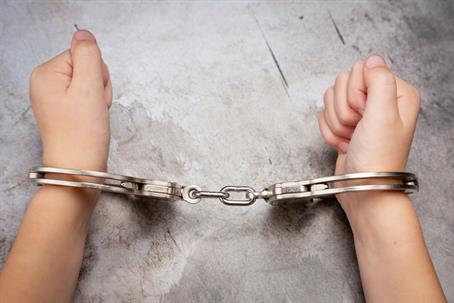
When your child faces criminal charges, the entire family experiences fear and uncertainty. Understanding how the juvenile justice system works in California can help you make informed decisions during this challenging time. Knowing your rights and options as a parent is crucial for protecting your child's future.
Juvenile Offenses in California
The juvenile justice system handles cases differently from adult criminal courts. In California, minors under 18 who commit crimes are typically processed through juvenile court, which focuses on rehabilitation rather than punishment. However, certain serious offenses can result in a minor being tried in adult court.
Juvenile offenses range from minor infractions to serious felonies. Standard charges include theft, vandalism, drug possession, assault, and underage drinking. Even seemingly minor offenses can have lasting consequences on your child's education, employment opportunities, and future.
The juvenile system recognizes that young people make mistakes and can learn from them. Courts consider factors such as the minor's age, maturity level, criminal history, and the circumstances surrounding the offense when determining the appropriate consequences.
How Juvenile Court Differs from Adult Court
Juvenile proceedings use different terminology and follow unique procedures designed for minors. Instead of being "convicted," a minor is "adjudicated" or found to be a "ward of the court." Rather than receiving a "sentence," the court issues a "disposition" that may include counseling, community service, or placement in a juvenile facility.
Privacy protections in juvenile court are stronger than in adult proceedings. Records are typically sealed and not accessible to the public. This protection helps prevent a youthful mistake from following your child throughout their adult life.
The judge in juvenile court has broad discretion in crafting solutions that serve the individual needs of the minor. This flexibility enables creative approaches that address the underlying issues contributing to criminal behavior.
The Juvenile Justice Process
Initial Contact and Detention
When police suspect a minor of committing a crime, they may issue a citation, make an arrest, or release the child to their parents with a warning. If arrested, your child may be held in juvenile detention while awaiting their initial court appearance.
California law requires that parents be notified immediately when their child is detained. You have the right to visit your child and should contact legal counsel as soon as possible. Anything your child says can be used against them in court during this initial phase.
The detention hearing, which must occur within 48 hours (excluding weekends and holidays), determines whether your child remains in custody or is released to your care. The court considers factors such as public safety, flight risk, and the minor's home environment.
Petition and Arraignment
The prosecutor files a petition outlining the charges against your child. This document serves the same function as an indictment in adult court. The petition must be filed within specific time limits depending on whether your child remains in custody.
During arraignment, the court formally reads the charges, and your child enters a plea of guilty or not guilty. Options include admitting the petition (similar to pleading guilty), denying the petition (identical to pleading not guilty), or pleading no contest. Legal representation is crucial at this stage to ensure your child's rights are protected.
If your child denies the petition, the case proceeds to an adjudication hearing (similar to a trial in adult court). This hearing determines whether the allegations in the petition are true.
Common Juvenile Offenses in Salinas
Certain types of juvenile offenses occur more frequently in the Salinas area. Understanding these common charges helps parents recognize potential legal issues their children may face.
Property crimes represent a significant portion of juvenile cases. These offenses include:
- Shoplifting and theft
- Vandalism and graffiti
- Burglary of homes or businesses
- Vehicle theft or joyriding
- Destruction of public property
Drug-related offenses are also common among juveniles. California has specific laws addressing underage substance use, including possession of marijuana, alcohol, or controlled substances. Even in areas where adult use is legal, minors face serious consequences for drug-related activities.
Assault and battery charges can result from school fights, domestic disputes, or conflicts with other minors. These charges are taken seriously and may result in significant consequences, including removal from school.
Technology-related crimes are increasingly common as more young people have access to computers and smartphones. These may include cyberbullying, sharing inappropriate images, or hacking offenses.
Potential Consequences and Penalties
Juvenile court consequences focus on rehabilitation and accountability rather than punishment. However, the impact on your child's life can still be substantial.
Minor offenses may result in warnings, community service, or short-term probation. More serious charges can result in more extended probation periods, mandatory counseling, restitution to victims, or placement in a juvenile facility.
Educational consequences often accompany juvenile charges. Schools may suspend or expel students charged with certain offenses. This can disrupt your child's academic progress and affect their future educational opportunities.
Some juvenile offenses create a criminal record that, while typically sealed, may still impact future opportunities. Certain professions, military service, and college applications may require disclosure of juvenile adjudications.
When Juveniles Can Be Tried as Adults
California law permits the transfer of a minor's case to adult criminal court under specific circumstances. This process is referred to as a transfer hearing (or sometimes a "fitness hearing"). Since the passage of Proposition 57 in 2016, prosecutors can no longer unilaterally send a minor's case directly to adult court. Instead, all minors under 18 must start in the juvenile system. The prosecutor must then file a motion with the Juvenile Court Judge asking the court to transfer the minor to adult jurisdiction.
Factors the prosecutor considers include the minor's age, the severity of the offense, the minor's criminal history, and the likelihood of rehabilitation within the juvenile system. Being tried as an adult subjects the minor to adult penalties, including potential prison time and permanent criminal records.
If your child faces the possibility of adult prosecution, immediate legal intervention becomes even more critical. The stakes are significantly higher, and the long-term consequences can be life-altering.
Protecting Your Child's Rights
Parents play a crucial role in protecting their child's rights throughout the juvenile justice process.
Your child has the right to remain silent and should exercise this right until legal counsel is present. Many parents believe their child should cooperate with the police; however, statements made without legal advice can be detrimental to the case.
The right to legal representation is fundamental in juvenile proceedings. The court will appoint a public defender if you cannot afford an attorney. However, private counsel may provide more personalized attention and resources for your case.
Your child has the right to confront witnesses and present evidence in their defense. These rights ensure that the prosecution must prove their case and that your child can tell their side of the story.
How a Salinas Criminal Defense Attorney Can Help
Legal representation has a significant impact on the outcome of juvenile cases. Your attorney will investigate the charges, review evidence, and identify potential defenses. They may negotiate with prosecutors to reduce charges or recommend alternative programs that keep your child out of the formal court system.
Many juvenile cases are resolved through plea agreements that minimize consequences while addressing the underlying behavior. An attorney can evaluate whether proposed deals serve your child's interests and negotiate better terms when possible.
Attorneys also help families understand available resources and programs. Many communities offer diversion programs, counseling services, and educational opportunities that can address the root causes of criminal behavior.
Protecting Your Child's Future with Experienced Juvenile Defense in Salinas
Facing juvenile offense charges can be overwhelming, but understanding the system and taking appropriate action can help protect your child's future. The juvenile justice system offers opportunities for rehabilitation and second chances, but successfully navigating it requires knowledge and effective advocacy.
Every case is unique, and the specific circumstances surrounding your child's charges will influence the appropriate legal strategy. Working with a knowledgeable Salinas criminal defense attorney ensures that you understand all available options and make informed decisions throughout the process.
Don't let a juvenile offense define your child's future. Contact The Worthington Law Centre today at (831) 704-1852 or through our online contact form to discuss your case and learn how we can help protect your child's rights and opportunities.